The small tray that once held a sliver of plastic is quietly disappearing. In its place, a digital profile now carries the identity of your mobile line, downloaded in seconds instead of slid in with a tool. That change—moving from a removable SIM to an embedded one—has shifted from novelty to normal for a growing list of phones, tablets, laptops, and wearables.
US buyers felt the shift first with Apple’s iPhone 14 family. Those models dropped the physical SIM slot entirely, forcing a new habit: activating service through software. Many premium Android devices followed, mixing physical and electronic support at first, then leaning increasingly toward eSIM-first designs. The result is a world where connecting to a network feels less like hardware tinkering and more like setting up an app.
The pace surprises some. Convenience drives much of it.
But there is also a design incentive. Freeing up internal space from a tray and its sealing hardware helps with durability, water resistance, and layout flexibility. It also pushes carriers and device makers to refine remote provisioning so it works quickly, securely, and across borders. That ecosystem work affects travelers, professionals, and everyday users alike.
What eSIM Only Means for Everyday Use
Think of eSIM as a digital card you can add, remove, or swap without opening the phone. Activation often begins with scanning a QR code or tapping a carrier link. Within minutes, your device holds a new line with a nameable label and toggles for voice, text, and data.
Daily life becomes more adjustable. Need a short-term data plan for a weekend away? Add it, set it as the data line, and keep your main number active for calls and texts. Want to test another carrier’s coverage in your neighborhood? Add a trial plan and switch data routing between lines in settings.
There’s less fidgeting with tiny trays and metal pins. No more keeping a paperclip handy.
It also shifts how support works. Instead of replacing a lost physical SIM, your service is re-provisioned to the phone you have on hand. That can be faster, with fewer logistics, so long as your carrier supports quick verification.
Key Device Categories
Apple iPhones
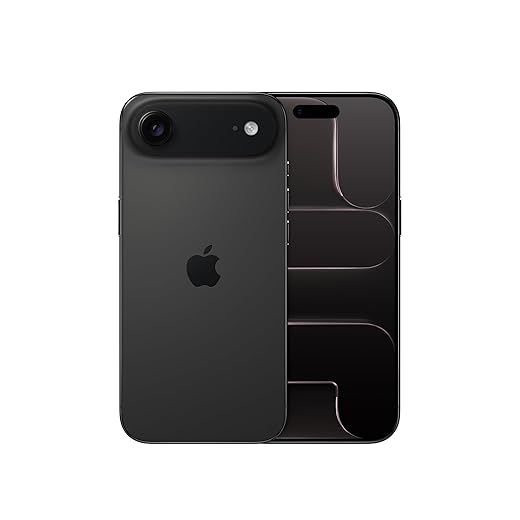
In the United States, iPhone 14, 15, and 16 series models ship without a SIM tray. These phones rely solely on eSIM, with the ability to hold multiple profiles and enable two at once. Many international variants of recent iPhones also support eSIM alongside a physical card, including numerous iPhone 12 and 13 models. If you are moving between regions, checking the exact model number ensures you know whether a tray is present and how many eSIM profiles are supported.



Samsung Galaxy lineup
Samsung’s move unfolded in stages. eSIM arrived on the Galaxy S20 line (on select US models), extended through the S21 and S22 families in certain regions, then became standard on newer flagships like the S23 and S24. Foldables—Z Flip and Z Fold—embraced eSIM early, reflecting their premium status and frequent travelers among their users. The Note 20 series (again, some US variants) also fits into the eSIM-capable camp. Availability depends on market and carrier configuration, so checking model codes remains wise.
Google Pixel lineup
Google brought eSIM support to Pixels starting with Pixel 2 and 2 XL, and continued across the range thereafter. That long runway means many older Pixels already handle digital activation, making them good candidates for trialing alternate plans or for frequent travelers who prefer simple add-on data packages. Pixel settings make switching primary data lines straightforward, and newer models can store several eSIM profiles for later use.
Motorola Edge and Razr
Motorola’s modern Edge models (2022, 2023, 2024, and 50 series) and Razr variants (2019, 5G, 2022, 2024) feature eSIM support in many markets. The flip-style Razr benefits from fewer moving parts inside when a tray is removed, and the Edge series leans into eSIM to position itself among other premium Android choices. As with others, regional models can vary, so a quick specification check avoids surprises.
Sony Xperia family
Select Xperia 1, 5, and 10 series devices—such as Xperia 1 V and Xperia 10 V—include eSIM capability. Sony tends to retain precise segmentation across regions, which makes the specific variant number and carrier certification relevant before you rely on eSIM-only service.
Huawei models to verify
Huawei’s Mate 40 and 50 lines and P40 and P50 families include models with eSIM, though support can vary by region and carrier. Because distribution differs widely, confirming eSIM availability and supported bands on the exact model is key before purchasing or porting a number.
Other Android brands adopting eSIM
The list continues to grow. Xiaomi 12T Pro, and the 13 and 14 series, add eSIM on various variants. Oppo’s Find X3 Pro, Find X5 Pro, and the N2 Flip appear with eSIM in select markets. Fairphone 4 and 5, along with Nokia X30 and G60, also join the roster. Each brand’s regional strategy can differ, so the model ID, carrier list, and software build often determine eSIM readiness.
Tablets and Laptops with eSIM
Cellular iPads—Air and Pro lines among them—have supported eSIM for multiple generations, making it easy to bring a tablet online for travel or field work without tethering. On the PC side, select Asus and Acer models with LTE or 5G radios integrate eSIM for direct activation. For professionals on the move, this keeps a laptop connected with fewer add-ons.
Wearables with eSIM
Apple Watch cellular models, beginning with Series 3, use eSIM to share a number or add a watch-only plan, depending on carrier. Several Samsung Galaxy Watches do the same. For runs without a phone or workdays where a light wrist device suffices, eSIM allows calls, texts, and streaming from the watch itself.
Benefits of Going eSIM Only
Convenience for Switching and Travel
Service becomes software. You can add a local plan at your destination in the airport lounge, often by scanning a code or installing an app. Your primary number stays active for authenticators and banking texts, while a local data plan handles maps, ride-hailing, and video calls. Later, disable the travel profile and keep it stored for your next visit.
It also helps with network experiments. If coverage wavers at home or at the office, try another carrier for a week without waiting in line or juggling tiny trays. You may find that a different network handles your commute and basement better. Or that pricing tiers align more closely with your usage patterns.
Security Through Carrier Verification
With no removable card to steal, phone identity ties more closely to device ownership and carrier approval. Re-provisioning typically requires account authentication, reducing the simple physical theft risk of a SIM swap. The process moves the target from your pocket to the login screen, where multi-factor protection is available.
This does not erase risk. Social engineering and weak account controls remain concerns. Still, losing a phone on a trip no longer implies someone can pop out a card and immediately take over your line. Recovery relies on account access and carrier support flows instead of having a spare card on hand.
Dual SIM Flexibility for Work and Personal Lines
eSIM makes two lines on one device far easier to manage. Assign work calls and texts to one label, personal to the other, then choose which line handles data by default. Silence a line after hours without losing connectivity on the other. Keep separate billing as well—your employer can reimburse a dedicated plan while your personal number continues unchanged.
It feels tidy. And less to carry.
Practical Considerations and Compatibility Checks
eSIM’s virtues arrive with a few details to review. Carriers differ in how they deliver activation—some use QR codes, some rely on apps, and others require a visit to a store or online portal. International roaming support over eSIM profiles can vary by plan, even within the same carrier family. If you rely on roaming for work, verify that your specific plan covers both voice and data across destinations.
Devices limit how many eSIM profiles can be stored, and how many can remain active at once. High-end phones often allow two simultaneous lines, while keeping several others stored for later reactivation. Deleting a profile usually frees the slot, but transferring a number from one phone to another can require a release step or carrier assistance.
Unlocked status matters. A carrier-locked phone may restrict eSIM activation to the issuing network, even if the hardware supports more. Check for lock status and supported bands, especially if you imported a device or plan to use it abroad.
Messaging apps sometimes need re-registration after switching the active line. iMessage, WhatsApp, and similar services verify the number in use, and switching data lines can trigger a recheck. It’s a minor chore, yet worth anticipating before a long travel day or a meeting-heavy schedule.
Emergency calling and country-specific services often tie to the active voice line. Make sure the correct line is set as default for voice if you change data to a travel eSIM. Also, store carrier support numbers in your contacts; resolving a mis-provisioned profile is easier with quick access to help.
Travel and Work Use Cases to Consider
Short trips benefit immediately. Land, scan a QR, and a local plan lights up. You keep your primary number to receive urgent calls while maps and video run on local data. For cross-border commuters, a stored profile for each country saves time and avoids inconsistent roaming fees.
Work patterns shift too. Keep your personal line as the anchor, then add a corporate plan as an eSIM. During business hours, route calls and data through the work line; after hours, flip the default back. If your role requires testing apps or devices on multiple networks, you can carry one phone and change networks through settings rather than hardware.
Coverage blending is another quiet win. Some users live in areas where one carrier’s 5G is strong outdoors, while another excels indoors. Storing profiles lets you choose day by day—or even location by location—which network carries your data, without porting numbers or buying extra hardware.
Finally, frequent device upgraders get relief. Many carriers now support eSIM transfer flows during setup, moving your number from the old phone to the new one with guided prompts. No tiny trays to drop. No micro tools to misplace.
The Path Ahead for eSIM Adoption
Physical trays will likely linger in budget segments and select regions for some time. Yet the direction is clear. More premium devices are removing the slot entirely, while midrange models add eSIM alongside a card to ease the transition. Wearables and tablets already rely on digital activation, and laptops with built-in cellular radios are following.
Carriers are expanding self-service portals, short-term travel plans, and app-based onboarding. Manufacturers are refining profile storage, adding clearer labels, and smoothing the transfer process between devices. As these pieces mature, adding a plan should feel as familiar as connecting to Wi‑Fi: a scan, a tap, and a working line within minutes.
Choice grows as well. Android vendors beyond the traditional leaders are incorporating eSIM across regional models, while Apple continues to push eSIM-only in major markets. This cross-brand momentum means fewer holdouts, fewer compatibility surprises, and more opportunities to match a device to your preferred way of staying connected.
The simple summary is everyday simplicity. Less hardware fuss, more flexibility. A small change with large effects on how our devices connect, travel, and work.
And it fits in your pocket—without a tray.