Get the Most from Every Workout
The right band transforms how your Apple Watch SE 2nd Gen performs during exercise. Comfort keeps you wearing it, and fit affects heart-rate and motion tracking accuracy.
Durability matters for sweat, salt, and daily wear; hygiene prevents skin irritation and odor. The wrong strap can distort readings and wear out fast.
This article gives practical guidance on band types, features to prioritize, pairing and care tips, and workout-specific picks to match your training style.
Expect clear comparisons, real-world user notes, and recommendations for runners, lifters, swimmers, and mixed-sport athletes to help you decide confidently.
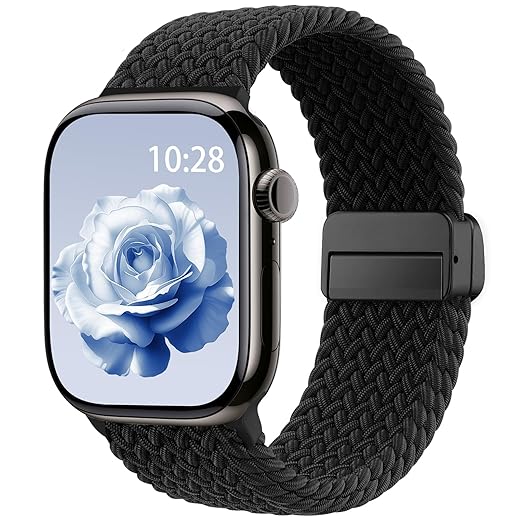


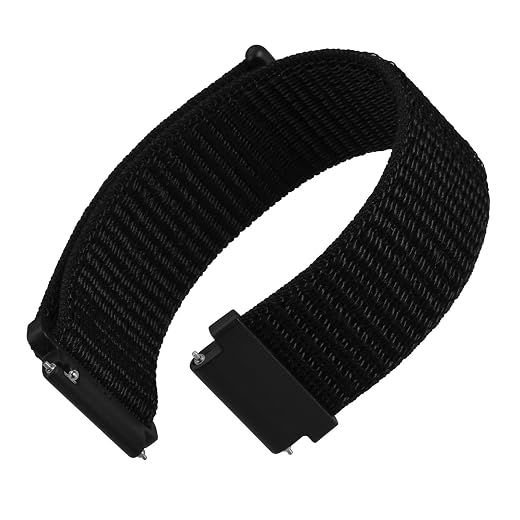
Key Features That Make a Workout Band Great
Materials & Breathability
Pick a material that matches your sport. Fluoroelastomer/sport silicone (Apple Sport Band, Nomad Sport Strap) is smooth, sweat‑resistant and easy to clean. Woven nylon breathes well for long runs and HIIT, while braided/metal offer style but can trap sweat. Real-world tip: a loose runner I coached saw heart‑rate spikes vanish after switching to a snug silicone band that stayed put.
Sweat, Water Resistance & Hypoallergenic Choices
Look for water- and sweat‑resistant finishes for daily training and saltwater swims. Fluoroelastomer and surgical‑grade stainless steel backs on clasps reduce irritation. If you react to metals, choose hypoallergenic silicone or nylon. After ocean swims, rinse bands promptly to avoid salt buildup.
Fastenings & Secure Fit
Fastening style matters: pin‑and‑tuck and sport loops are low‑profile and secure for running; buckles or clasps add durability for heavy lifting; magnets give quick adjustability but test hold under sweat. Aim for a snug fit—about one finger’s width under the band—tight enough for optical sensors but loose enough to avoid chafing.
Durability, Cleaning & Weight
Durability: reinforced lugs and corrosion‑resistant hardware last through repeated workouts. Cleaning: warm water, mild soap, soft brush; avoid bleach. Weight affects bounce—light bands reduce motion artifacts for more accurate cadence and heart‑rate readings. Always verify third‑party bands list Apple Watch compatibility and match your SE’s case size before buying.
Best Band Types for High‑Intensity Cardio and Running
Silicone / Sport Bands: stability and sweat resistance
For sustained tempo runs and HIIT, smooth, soft silicone (fluoroelastomer-style) offers the best mix of grip and low bounce. Thinner profiles (2–3 mm) flex with your wrist for comfort; wider bands (22–44 mm equivalence) add stability for faster cadence and reduce lateral slip. Look for matte, low‑friction finishes and rounded edges to minimize chafing during long miles—one weekend marathoner I coached swapped to a perforated silicone band and stopped getting irritated marks after mile 18.
Lightweight Woven Loops: breathability and cooling
Woven/nylon loops shine in hot, humid conditions. Their porous construction wicks sweat and dries fast, cutting down on sticky skin and sensor noise. Choose densely woven loops for weight training days and open‑weave loops for summer runs. Many runners prefer the Nike Sport Loop–style for its quick micro‑adjusts and soft touch.
Quick‑release designs & adjustable closures
Pick a band with:
Climate & distance selection tips
Choose by feel—try a run with a band for at least 30 minutes before committing; real use reveals what truly stays put.
Top Options for Strength Training and Functional Workouts
Strength work demands bands that stay put under load and never get in the way of a clean grip. For weightlifting, CrossFit WODs, and dynamic functional sessions, prioritize rugged, low‑profile straps that resist sweat, abrasion, and accidental release.
Materials & construction to look for
Closures that won’t betray you under load
Choose closures tested for repeated tension: pin‑and‑tuck with solid posts, top‑side stainless buckles, or heavy‑duty hook‑and‑loop with reinforced stitching. Avoid large metal clasps on the underside of the wrist (they can dig into skin or foul on a barbell).
How to avoid grip interference — quick tips you can use today
These choices give you stability and durability without the bulk that disrupts lifts—ideal for heavy singles and fast‑paced metcons alike.
Water‑Ready Bands for Swimming and Triathlons
Waterproof vs. water‑resistant: what it means for your SE
Water‑resistant watch electronics differ from “waterproof” bands. The Apple Watch SE 2nd Gen handles pool laps, but the band must survive repeated exposure to chlorine and salt. Favor materials and hardware rated for immersion and frequent rinsing.
Materials that actually hold up
Silicone/fluoroelastomer sport bands: dense, nonporous, and quick to rinse—best for repetitive swims and easy to clean after salty open‑water sessions.
Treated nylon or quick‑dry woven loops: lighter and more comfortable on long rides, but only buy versions explicitly treated for water resistance or with hydrophobic coatings to prevent mildew and heavy water retention.

Hardware and corrosion resistance
Look for stainless steel, titanium, or PVD‑coated aluminum connectors and buckles. Avoid untreated plated metals that dull and pit after months in the ocean.
After‑swim care: simple, effective steps
Triathlete tips for transitions
These practical choices keep your SE readable, comfortable, and corrosion‑free through training seasons.
Practical Buying, Maintenance, and Fit Tips
Sizing and fit: measure like a pro
Wrap a soft tape measure or string around your wrist where the watch will sit. Note the circumference (mm or inches), then add 3–10 mm for comfort—less slack for accurate heart‑rate reads. Always check the maker’s size chart; S/M and M/L can vary by brand. Real-world tip: if the band slides during sprints, tighten by one notch rather than switching size.
Authentic vs. third‑party: quick checks
Look for cleanly machined connectors, snug tolerances, and strong magnets or latches. Favor sellers with high reviews, clear return policies, and product photos of the connector mating with an Apple lug. Beware cheap smells, rough edges, or mismatched finish—common counterfeit signs.

Budget vs. performance
Multipacks and silicone sport bands give the best price-to-performance for most athletes. Spend more on metal clasps or premium woven straps if you need durability and style. Brands like Apple, Nomad, and Spigen are reliable mid- to high-tier picks.
Cleaning, storage, and inspection
Store in a breathable pouch away from direct sun and humid basements to prevent odor and breakdown. Inspect connectors for pitting, loose pins, or warped lugs monthly; replace at first sign of wear.
Troubleshooting & activity swaps
Switch bands by activity—snug silicone for cardio/swim, ventilated woven for strength, leather or metal for everyday wear—so your SE stays comfortable and accurate. Next, the Conclusion helps you finalize the perfect pick.
Pick the Right Band and Elevate Your Training
Match band material and closure to your primary workouts—breathable silicone or nylon for HIIT and running, rugged leather for casual wear, and sleek fluoroelastomer or woven silicone for swimming. Prioritize secure closures and a snug, comfortable fit to keep sensors in contact and tracking accurate.
Maintain bands by rinsing after sweat or salt exposure, hand‑washing woven options, and letting them air dry to extend lifespan. Choose comfort and durability over fashion trends; the right band keeps you consistent and improves performance.