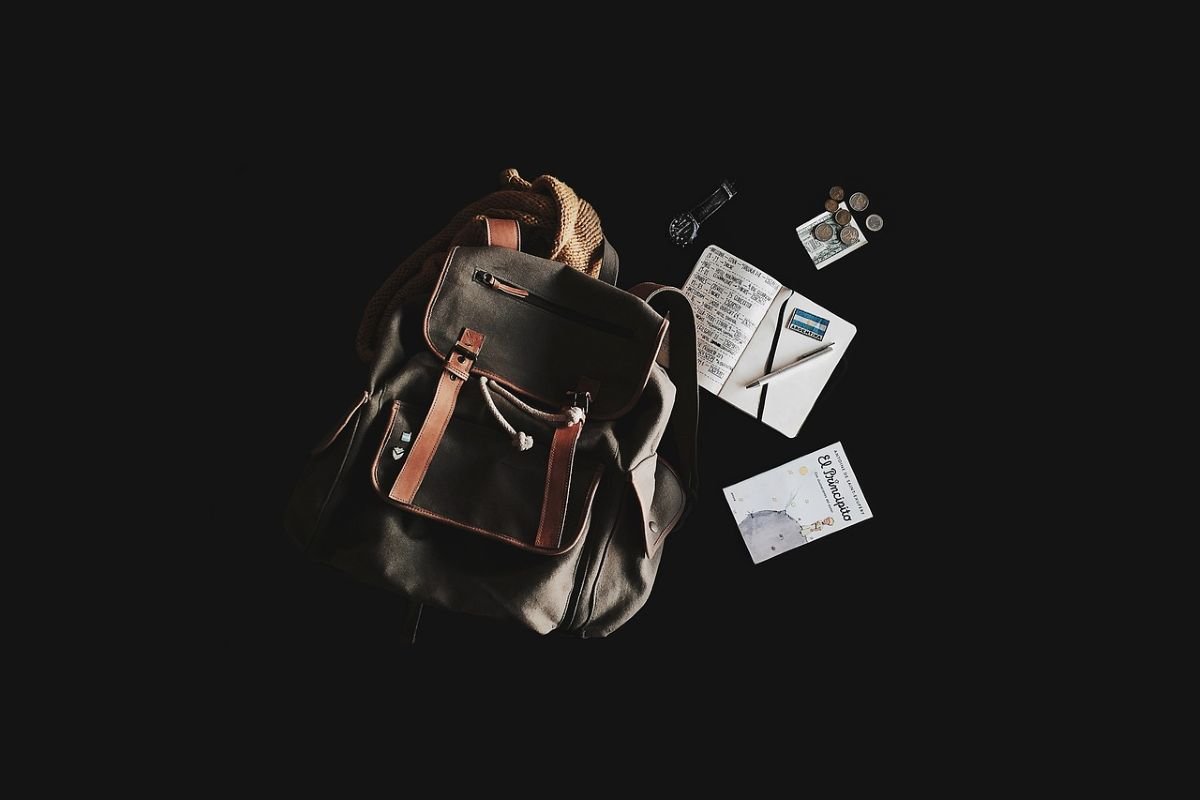
A good packing list isn’t guesswork. It’s a response to constraints: weather patterns, transport policies, and cultural expectations. Treat it like a planning problem with variables, thresholds, and contingencies.
Travel lighter, think clearer. Your itinerary becomes more flexible.
Trip Variables That Shape Your Packing
Climate Zones and Volatility
June through September spans heatwaves in the Mediterranean, cool nights in the Alps, and sudden showers in the Atlantic west. The key input is variance, not average temperature. A capsule that handles a 12–15°C swing outperforms one tuned for a single forecast.
Model packing against “hot/dry,” “hot/humid,” and “mild/wet.” Then assign two pieces that cross categories—e.g., a breathable long-sleeve that blocks sun yet layers under a light shell for drizzle.
Weather shifts quickly.
City, Coast and Mountains
Urban days are abrasion-heavy: pavement miles and transit. The coast adds salt, sand, and UV exposure. Mountains introduce wind and thermal drop with altitude. One wardrobe won’t serve each perfectly, so aim for a 70/20/10 allocation that mirrors time spent in each domain.
Translate that split into fabric choice. Dense-knit sneakers for cobblestones, quick-dry items for beach transitions, and a compact mid-layer indexed to evening lows above treeline. Small, targeted adjustments prevent overpacking.
Transport and Baggage Rules
Rules compress decisions. Many European carriers enforce smaller personal-item sizes and 8–10 kg cabin limits. Trains are permissive on weight but unforgiving on self-carry: you lift everything yourself, often up narrow steps.
Choose dimensions that fit regional bins—roughly 55 × 40 × 20 cm for carry-on. Confirm your itinerary’s strictest policy and pack to that ceiling. One outlier flight can erase savings and time if you need to check last-minute.
Weight is the true limit.
Luggage Strategy and Packing Systems
Carry-On Versus Checked In Europe
Evaluate on time, risk, and cost. Carry-on protects against lost bags during tight connections and eliminates carousel delays. Checked bags enable gear-heavy plans but add fees and failure points, especially on low-cost carriers with aggressive upsells.
If your route includes multiple flights or rail segments, a single carry-on plus personal item typically optimizes mobility. For long stays in one base, checking one shared bag for a group can still make sense. Quantify hours saved versus euros spent.
Organization Methods That Save Space
Compression cubes reduce volume but can raise density beyond airline weight limits. Standard cubes offer structure and fast retrieval. A hybrid works well: compress bulk (knits, activewear), use light cubes for outfits, and keep a flat envelope for documents.
Adopt a top-layer logic: rain shell accessible, medications high-priority, and one complete change of clothes near the opening. Minutes matter when gates change.
Small systems prevent big messes.
Clothing Capsule for European Summers
Breathable Fabrics and Neutral Palette
Prioritize airflow and quick dry times: linen blends, cotton poplin, Tencel/lyocell, and fine merino. Synthetics shine for active days but trap heat in still air; blends often balance performance and feel. Aim for a palette of neutrals with one accent to expand combinations.
Neutral doesn’t mean dull. It means interchangeable. Ten pieces that combine 30 ways beat 20 that combine 10 ways.
Outfit Formulas and Layering Logic
Use a 3:2:1 formula per week: three tops, two bottoms, one light layer for most city-coast itineraries, multiplied by trip length with laundry planned every 5–7 days. Add one dress or smart shirt to satisfy dining standards without a separate wardrobe.
Layering should serve three functions: sun coverage mid-day, modesty for sites, and temperature control at night. A breezy long-sleeve and thin scarf solve all three with minimal bulk.
A formula reduces indecision.
Footwear Matrix for Walking Beach and Dressy
Footwear sets the ceiling for comfort. Build a three-pair matrix: cushioned walking sneaker for 15k steps, supportive sandal for heat and beach, and a dress-appropriate flat or low-profile shoe for evenings. If you must cut to two, combine dressy with walking capability.
Check outsole grip for marble and wet cobbles. Break in before departure. Blister prevention beats treatment every time.
Carry spare laces. They weigh nothing.
Weather, Sun and Comfort
Packable Rain and Wind Protection
A 180–250 g waterproof shell with pit zips covers summer storms without overheating. Pair with a compact umbrella for cities where sheltering under awnings is common. Windproofing matters in coastal and alpine zones more than raw insulation.
Skip heavy fleece. A thin synthetic mid-layer plus shell outperforms it in wet, breezy conditions. Dry time is the control variable.
Sun Safety Hydration and Heat Management
Sunscreen at SPF 30+ broad spectrum, re-applied every two hours, is a baseline. Add a UPF hat, polarized sunglasses, and a light long-sleeve to reduce reliance on lotions alone. Carry a 500–750 ml bottle and plan refill points—many European cities have public fountains.
Electrolyte tabs help on high-output days. Schedule main outdoor walks before 11 a.m. and after 5 p.m. Shade is a strategy.
Cultural Norms and Situational Dress
Requirements for Religious Sites
Some churches and mosques enforce covered shoulders and knees; head coverings may be requested in certain mosques. A compact scarf and lightweight trousers or a midi skirt resolve most entry checks without adding weight.
Design your day-pack with this in mind. Quick changes outside a site are awkward; modular coverage is smoother.
Respect is practical.
Dining Nightlife and Local Style
Many venues expect smart-casual, even in heat. Collared shirts, neat blouses, clean sneakers or loafers, and structured dresses fit widely. Athletic wear and beach flip-flops often read as out of place in city centers.
Two evening pieces with good drape can shift a day look to dinner-ready. Fabric quality signals more than logos.
Fit over flash.
Beach Etiquette and Swimwear
Norms vary by region. Top-optional beaches exist in parts of France and Spain; designated nude zones are signed. Away from the sand, cover-ups are standard. In some resorts, swimwear at restaurants is restricted.
Pack a quick-dry towel, a compact cover-up, and a beach-safe bag that shakes out sand. Saltwater corrodes zippers; rinse gear after use.
Local cues guide behavior.
Tech Documents, Health and Security
Power Standards, Connectivity and Backups
Most of continental Europe uses Type C and E/F sockets at 230V, 50Hz. Many chargers are dual-voltage; confirm before plugging in. Bring a compact universal adapter and a small power strip with USB-C to multiply outlets.

TESSAN European Travel Plug Adapter Kit
Connectivity plans reduce friction: eSIM or travel data, offline maps, and ticket PDFs stored locally. Maintain redundant copies—cloud, phone, and one paper set for critical reservations.
Redundancy prevents stalls.
IDs, Money, Insurance and Safety Gear
Carry passport, any required visas, and copies stored separately. Payment works best with two cards from different networks plus a debit card; keep a small cash float for markets and rural stops. Notify issuers of travel to avoid fraud flags.
Travel medical insurance covers the unlikely but costly. A minimal safety kit—small luggage lock, discreet pouch, and tracking tags in bags—adds control without bulk.
Security is layers, not hardware.
Toiletries, Medications and First Aid
Liquids in cabin bags must fit 100 ml containers within a single quart/liter bag. Decant only what you’ll use. Medications stay in original packaging with prescription copies if applicable.
Build a micro first-aid: blister pads, bandages, pain reliever, antihistamines, antiseptic wipes, and oral rehydration salts. Friction and hydration are the two common failure points for walkers.
Prevention weighs less.
Scenario Based Packing Checklists
One Week Carry-On City plus Coast
Target 7–8 kg total. Pack three breathable tops, two bottoms (one light trouser, one short or skirt), one dress or elevated shirt, one light long-sleeve, and a compact shell. Add two swim items, a cover-up, and sleepwear. Footwear: walking sneaker and supportive sandal.
Accessories: scarf, hat, sunglasses, small crossbody day-bag. Tech: phone, charger, adapter, earbuds. Toiletries trimmed to 3–4 travel bottles. Plan laundry once mid-week via sink wash for underlayers and swimwear.
Small, tight, efficient.
Two Weeks Multi Country by Rail
Keep shape, expand versatility. Four to five tops, three bottoms (including one that dresses up), one dress/smart shirt, a thin mid-layer, and the same shell. Footwear remains two pairs; add ultralight foldable slippers for trains and hotels.
Laundry every 5–6 days is the linchpin. Pack a flat sink stopper and travel-line. Paper or digital copies of tickets in a dedicated sleeve speed platform changes. Aim for 9–10 kg to maintain agility across transfers and stairs.
Trains reward compact loads.
Active Days and Special Events
For hikes or bike tours, include moisture-wicking top, lined short or legging, and a soft flask or belt. Swap cotton socks for merino to reduce blisters. Add a tiny repair kit: tape, safety pin, and a spare button.
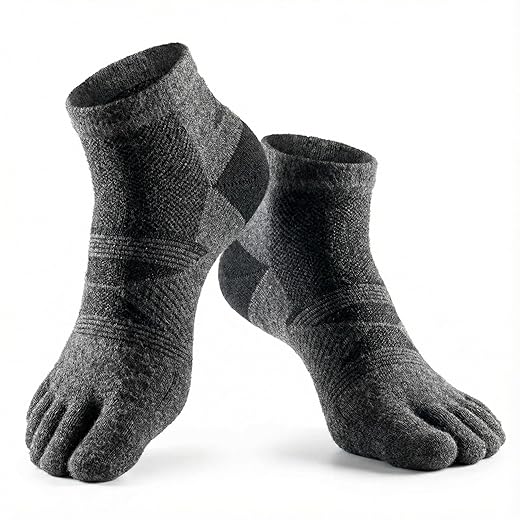
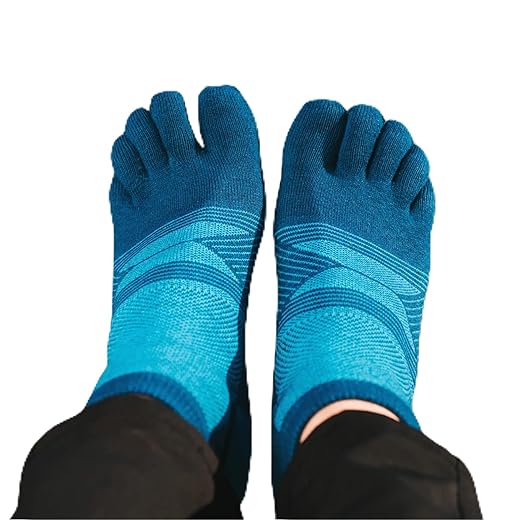
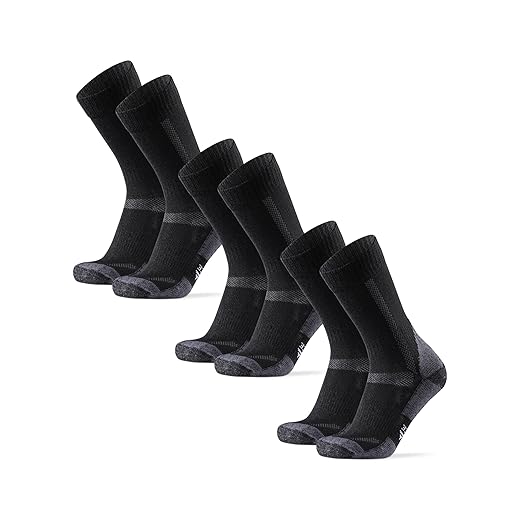
Events call for one elevated piece: wrinkle-resistant dress, blazer, or sleek shirt. Use a garment folder or roll with tissue to curb creasing. Coordinate belt and shoes to align with venue norms.
One piece can change the whole day.
Packing is a series of trade-offs. Make them explicit: weight versus readiness, style versus versatility, and comfort versus bulk. Decide once, pack once, and redirect attention to the trip itself.