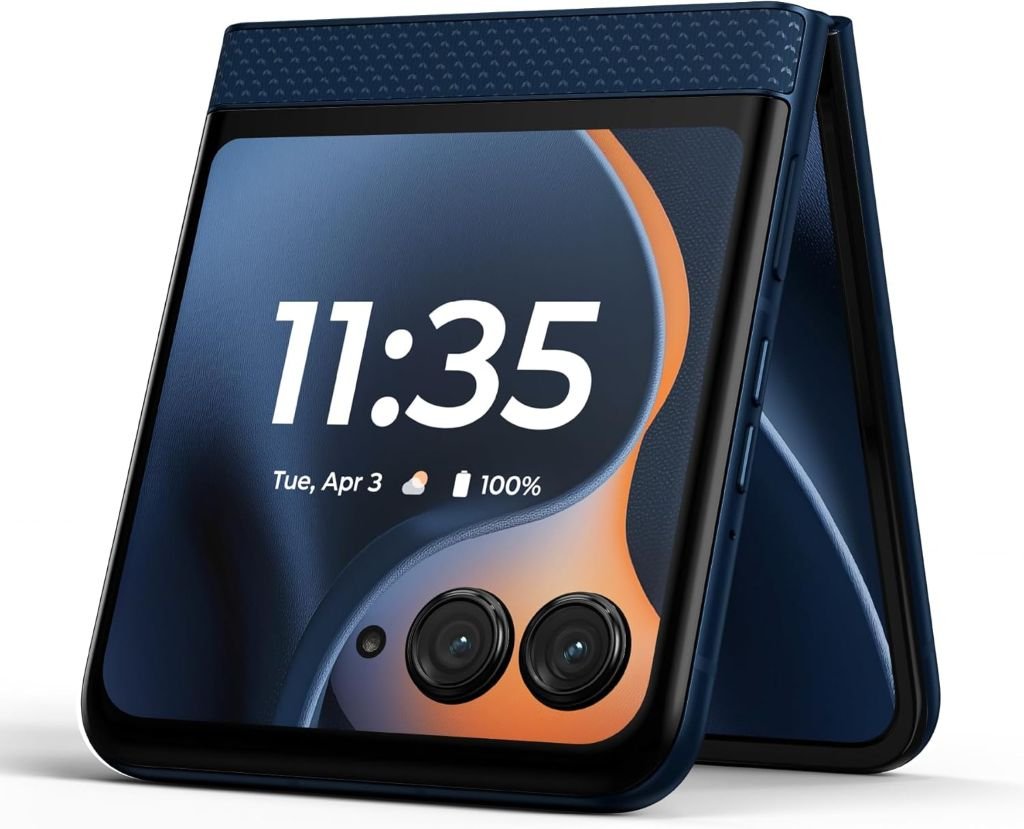
 Motorola has steadily woven eSIM capability into a wide range of its smartphones, from foldable style pieces to work-ready enterprise models. The result is a catalog where travel, dual lines, and quick activations feel far less complicated.
You can switch carriers without a trip to a storefront. Scan a QR code, follow a few prompts, and you’re connected.
For people juggling work and personal lines or hopping between countries, that flexibility matters. And it’s spreading across the brand’s most recognizable families: Razr, Edge, Moto G, and the ThinkPhone line.
eSIM Across the Motorola Lineup
Motorola’s approach to eSIM is practical: start with premium and halo devices, then bring the feature to more mainstream tiers once networks and regions align. Foldables such as the Razr were early recipients, while Edge flagships and upper midrange phones helped normalize the feature in more markets.
Mid-tier phones have begun to catch up. Some Moto G models now include eSIM, though coverage varies by country and carrier certifications. That variation is common across Android brands, not just Motorola.
Dual SIM behavior is a regular question. Many Motorola phones support one physical nano-SIM and one eSIM in DSDS (dual SIM dual standby) mode. On select models, multiple eSIM profiles can be stored with one active at a time. The exact combination depends on the device variant.
Compatibility Basics and Carrier Considerations
Before picking a Motorola with eSIM, check two things: the model number and the region it targets. Motorola frequently sells North American, European, Latin American, and Asian variants with different band support and firmware. The name can be identical while the hardware differs.
Carrier support comes next. eSIM activation requires the carrier to provision an eSIM profile for your device. Most major carriers in the U.S., parts of Europe, and Japan have strong support. Some MVNOs do too. Smaller carriers may limit eSIM, support it only on certain plans, or require a quick customer service step.
Activation is straightforward. You scan a QR code from your carrier, confirm settings, and the phone handles the rest. Often, you can add an eSIM plan while keeping your physical SIM in place.
A short note on 5G bands. Make sure the variant you’re buying matches the bands your carrier uses. That single check prevents headaches later.
Foldable Finesse with the Razr Family
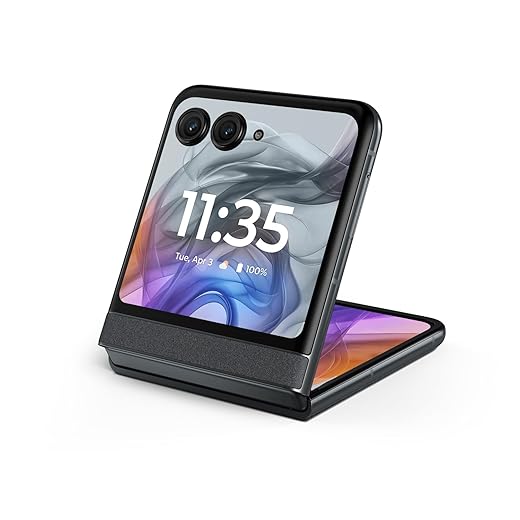
Razr devices brought fresh attention to eSIM inside a stylish shell. Flip design, modern displays, and the convenience of digital SIM activation make the combination feel seamless.

The 2025 Razr Generation
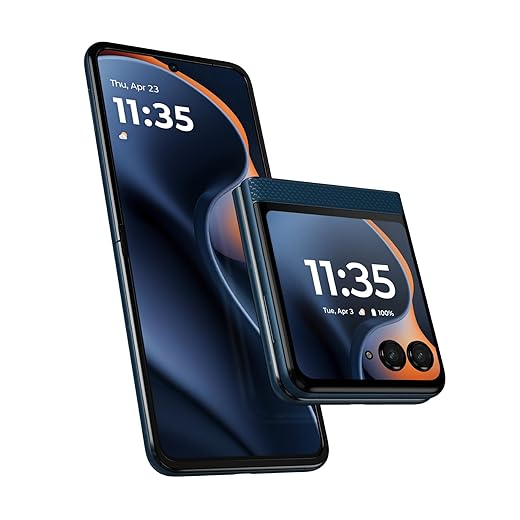
The 2025 lineup is expected to continue the formula: premium latch-free hinge, polished outer display, and eSIM as a standard feature on primary models. Motorola has focused on making setup effortless, so carrying a second line for travel or work should remain simple.
Battery optimization and camera tuning typically receive attention each year. eSIM sits quietly behind those improvements, yet it’s a daily quality-of-life upgrade. Add a travel plan before the plane lands.
Quick swaps help frequent flyers. That’s the point.
Recent Razr Models 2024 to 2022
The 2024 Razr and Razr+ (or Razr 50 series in some regions) highlight a confident stride. Large cover displays, durable hinges, and refreshed colorways pair with eSIM support on widely sold variants. Many users run a physical SIM for home and an eSIM for short-term data abroad.
The 2023 models—often known as razr 40 and razr 40 ultra in international markets—continued to normalize eSIM across regions where carriers had caught up. In the U.S., compatibility typically aligned with the main carriers and several MVNOs, though always subject to carrier policy.
For 2022, the Razr refresh aligned with a maturing foldable market. eSIM support appeared on select models and regions, a stepping stone toward today’s broader coverage.
Early Razr Trailblazers
Early reboots of the Razr brand showed what a modern flip could be. eSIM was present in specific versions, often aimed at regions with stronger digital provisioning infrastructure. Those phones helped set expectations for what is now common across the family.
Small steps first, then widespread availability.
Premium Performance with the Edge Series
Edge phones straddle flagship ambition and practical usability. High-refresh displays, speedy charging on many models, and clean software define the series, with eSIM increasingly treated as a standard capability on mid to high tiers.
Edge 60 Family Overview
The Edge 60 family is the forward-looking tier for 2025, blending refined design with everyday power. eSIM support is expected to be consistent across key models, giving users travel-friendly setup without breaking stride.
Carriers in North America and Europe remain the bellwether for broad support. If your operator lists the specific Edge 60 variant as compatible, activation should be quick.
Edge 50 Family Overview
The Edge 50 lineup brought camera and display enhancements to center stage. Across Ultra, Pro, and Fusion models in many regions, eSIM support appears as a checkmark feature rather than a specialty option.
That predictability helps. Users can move a line from an older Edge device to a new one using carrier tools, often without visiting a store.
Edge 40 Family Overview
Edge 40 phones carried a balanced spec sheet with elegant hardware. Many variants shipped with eSIM in markets that supported it at launch. As carrier certifications expanded, availability improved through software updates and region-specific releases.
For shoppers, the product code or SKU remains your best friend. It clarifies regional compatibility.
Edge and Edge plus Across Generations
From early Edge and Edge+ models to more recent flagships, the series has steadily made eSIM more common. Top-tier variants tend to gain the broadest certifications first, then midrange models follow in subsequent seasons.
That cadence mirrors how networks roll out support. High-end devices lead, mainstream devices benefit soon after.
Everyday Versatility with Moto G
Moto G carries Motorola’s volume story. These phones balance price and features, and eSIM is beginning to appear more regularly without pushing costs out of reach.
Moto G Highlights for 2025
The latest G models aim to bring conveniences like eSIM to a wider audience. Expect select 5G variants to include it, especially in regions where carriers have fully standardized digital provisioning.
Budget doesn’t have to mean compromise on connectivity. That’s the goal.
Moto G Essentials for 2024
In 2024, eSIM began showing up in more G-branded devices, though not uniformly. Some carrier-exclusive versions supported it, while unlocked units in the same product family sometimes did not. That split often came down to certifications and regional priorities.
If a Moto G suits your needs, verify the exact SKU with your retailer or carrier. Simple, effective, and saves time.
Power Stylus and Performance Focused G Phones
The Moto G Stylus and G Power lines often headline the series in North America. Stylus models serve note-takers and artists; Power models chase endurance. Select versions have included eSIM, especially where carriers requested it.
Performance-leaning G models with “5G” labels are likelier candidates. Still, confirmation is wise before you buy.
Regional Moto G Variants in Japan
Japan’s market has its own rhythm, with a strong push for carrier flexibility and contactless standards. Motorola’s Japan-tailored G variants sometimes carry the “j” suffix and may include features tuned for local needs, eSIM among them on certain releases.
Carrier checks are vital here, given strict band requirements and certifications. Once verified, setup is smooth.
Business Focused Strength with ThinkPhone 25
ThinkPhone 25 continues the enterprise tradition: robust build, clean software, and security features that align with IT policies. eSIM support helps businesses deploy fleets without managing physical cards, especially for remote or hybrid teams.
Security suites such as ThinkShield for mobile and Moto Secure tools reinforce policy compliance. With eSIM, provisioning can be done centrally, and number assignments can shift as roles change.
Traveling professionals benefit as well. A local data plan can live alongside the corporate line, keeping costs predictable while preserving reachability.
How to Pick the Right Motorola eSIM Phone
Start with your network. Confirm that your carrier supports eSIM on the Motorola model you want. Carrier support pages often list exact model numbers, not just the marketing name.
Next, verify bands and variant codes. A device bought in Europe might function in North America, yet miss crucial 5G or LTE bands. The reverse can happen too.
Consider your dual SIM needs. If you plan to keep a physical SIM active and add a second line via eSIM, ensure DSDS is supported on your variant. Some phones store multiple eSIM profiles but allow only one active alongside the physical SIM.
Think about long-term software updates. Motorola publishes update commitments for many devices. Longer support windows mean security patches and carrier tweaks keep your eSIM experience reliable.
Finally, plan for travel. If frequent trips are on your calendar, prioritize models known to play well with international eSIM providers. A little research pays off.
Check before you buy.
The Road Ahead for eSIM on Motorola
eSIM is moving from feature to expectation. Motorola’s track record shows steady expansion, with premium models leading and mainstream phones following once carriers are ready.
The next steps likely include broader dual eSIM support, simpler profile transfers, and closer coordination with carriers for instant activation during setup. Some regions are experimenting with digital IDs tied to eSIM infrastructure, which could eventually streamline verification steps.
Travel use will continue to shine. Temporary data plans for a weekend trip or a month abroad can be added in minutes, without swapping tiny trays or keeping track of paper clips.
That convenience adds up. So does the flexibility.
As networks refine their provisioning tools, and as Motorola aligns firmware across regions, the friction around eSIM should keep shrinking. For many buyers, the question won’t be “Does it have eSIM?” but “How many profiles can I keep, and how fast can I switch?”
A practical evolution, quietly changing everyday connectivity—one QR code at a time.