A Dial Tone in the Dark: Why Nokia Lingers
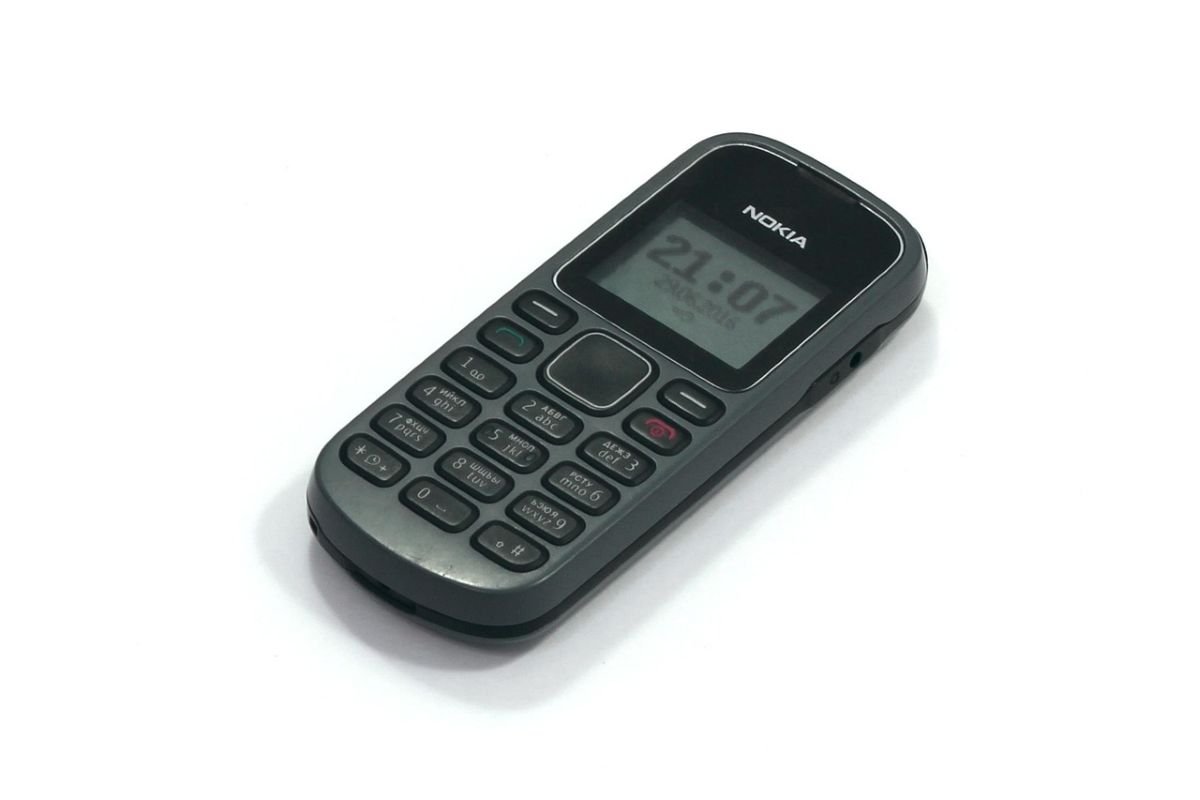
A faint green glow, a screen no larger than a postage stamp, and that small defiant hum before a call. In pocket and palm, these objects taught patience, thrift, and the soft drum of waiting. They were never just phones. They were weathered friends that knew our thumbs, carried our first clumsy confessions, and kept a charge for days as if loyalty could be stored like light.
Memory rings with their tones. Memory fits into a hand.
Why does this name linger, long after the shimmer has shifted? Because the old devices did not shout. They tapped our shoulder, then stayed out of the way. They taught ritual: press and hold, soft key to the left, soft key to the right. Little altars of routine, lit by pixel stars.
They worked in the rain, in basements, in bus stops where breath showed. Their antennas gathered ordinary courage. Their plastic took the hits of everyday life—the tumble from a pocket, the scrape across cement, the careless fling onto a couch—and kept going. Unfussy grace.
Maybe we miss what they asked of us: only presence and a spare moment, not our entire gaze. A simple ring, then choice. Answer or let it go.
Small freedoms.
The Friendly Bricks That Taught the World to Text
5110 and 3210 Color Shells and T9
Before a keyboard appeared on every pane of glass, writing lived within twelve buttons and a promise. T9 guessed what we meant, sometimes wrongly, often wisely, a partner in the tiny haiku of messages. Each press a drumbeat, the screen blinking with growing words, like plants finding sun through a lattice.
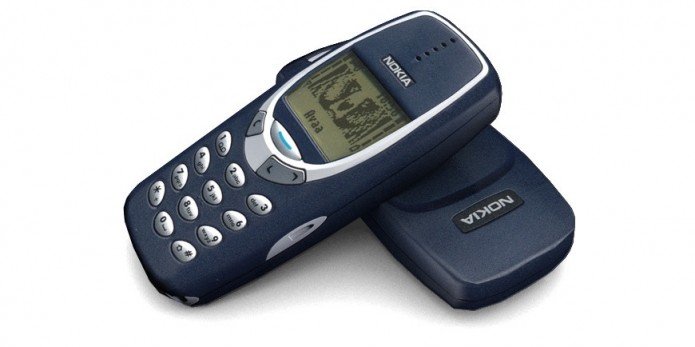
The 5110 and 3210 wore shells like bright shirts. Yellow one month, ocean blue the next. A phone could be a mood. Popping off a cover was a small ceremony, the snap like a smile. In classrooms, on buses, in late-night kitchens, thumbs learned their dance. Letter by letter, our hands grew fluent.
We wrote less but meant more.
3310: The Unbreakable Companion
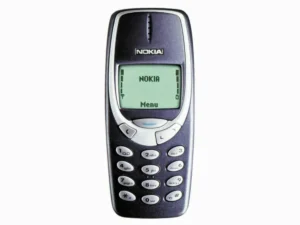 Stories say it survived a fall from a balcony, a puddle, a week lost in a winter coat. Maybe it did. The 3310 felt calm in the palm, a stone from the river, warmed by use. It did not fear your pocket change or your clumsy pockets. It had weight, the weight of reliability.
Its ringtone was a greeting, not a jolt. It knew silence too, with profiles set for meetings and midnight. It asked little. It gave back security, like a friend who always shows up five minutes early.
Some phones invite care. This one invited trust.
1100: The Phone That Reached Everyone
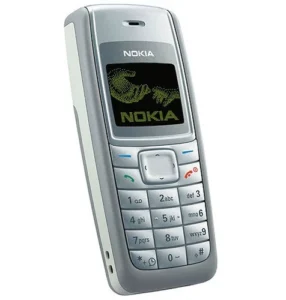 In markets where neon hummed, in villages where night fell quick, the 1100 brought a signal and a torch. A flashlight on a phone felt like kindness made into a feature. Rubber keys stood against sweat and dust. The back cover clicked shut with certainty. You could drop it, curse, pick it up, and call your mother.
A handset that said, I will not leave you without a voice. For many, it was the first number they truly owned, the first message they sent without borrowing time. A little piece of modernity that didn’t forget the street.
Quiet triumph.
Curves Sliders and the Cinema of Motion
8110: The Banana Phone of Dreams
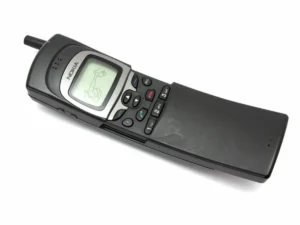 A curve like a smile caught sideways. The 8110 did not simply ring; it invited a gesture. Slide down, answer with a flourish. Conversations began with movement, almost theatrical. It bent pocket lines, slipped from suits like a curved note from a sax.
Style wasn’t a veneer. It was a way to say hello.
7110: The First Taste of the Mobile Web
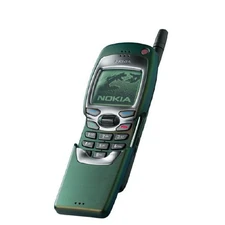 Green text, pixel crumbs of the wider world. The 7110 raised a tiny door and whispered, pages can reach you anywhere. WAP was a trickle through a straw, but even a trickle can carve memory. Newsline headlines, weather squares, the thrill of pulling a fact from the air without wires.
It felt like holding an early library card to the future, clipped under your thumb.
6600 and 7610: Strange Beauty of Symbian
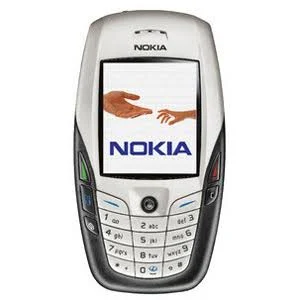
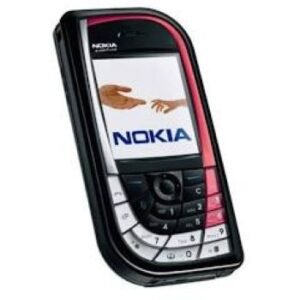
Fat-bellied, oval-eyed, the 6600 carried an operating soul that made phones more than voice. Apps arrived as small seeds, sprouting calendars with color, maps that hinted at place. The 7610 wore an asymmetry like a wink, its key array unsettling until it wasn’t, like a new city learned by walking.
They were bold enough to be peculiar. They said: usability can have quirks and still feel kind. We learned to forgive the oddities because the devices forgave our own.
Pictures Music and Play in Your Pocket
7650 and 3650: The Camera Arrives
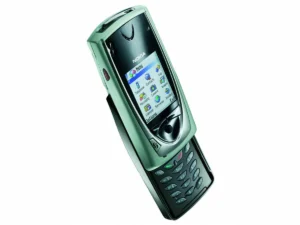
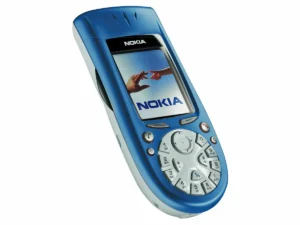
A gray sky, a friend’s laugh, a train window streaked with rain—suddenly, the phone could keep them. The 7650 slid open like a secret box; the 3650’s round keypad made it unmistakable across a room. Grainy shots, yes. But human in their imperfections, warm as film left in a hot car.
We snapped shadows of everything. Even breakfast. Especially friends.
N Gage: The Sideways Game
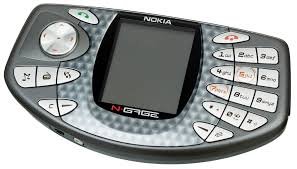 To talk, you held it like a taco. To play, you turned it sideways and listened for chiptune thunder. It was odd, brave, sometimes mocked, yet it sparked corridors filled with linked battles and bus rides stolen by strategy. That side slot, those cartridges, that goofy charm.
A pocket console that dared to laugh at itself.
5310 and 5800: The XpressMusic Wave
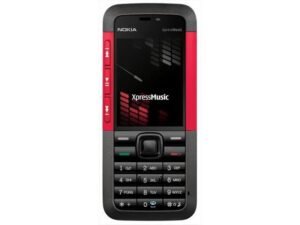
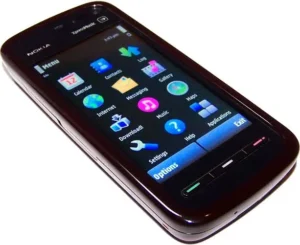
Red flashes, play keys along the edge, a body that hummed with bass when your headphones clicked in. The 5310 squeezed a jukebox into a shirt pocket, no scratched discs required. Then came the 5800, a finger-friendly screen long before many learned to swipe with confidence, speakers loud enough for kitchen dances.
Songs as armor on cold mornings. Playlists as diaries. Hands tapping railings in time.
Suits and Briefcases in the Pocket
Communicator Series: Desk in a Hinge
Open the clamshell and an office spilled out: full keyboard, wider screen, mail that could be answered thoughtfully while coffee cooled. These were phones for people who wore creases in their days. Contracts on trains, spreadsheets in hotel lobbies, notes written while engines idled on tarmac.
A briefcase that fit in a coat pocket, clicking shut with purpose.
E71: The Steel Key Whisperer
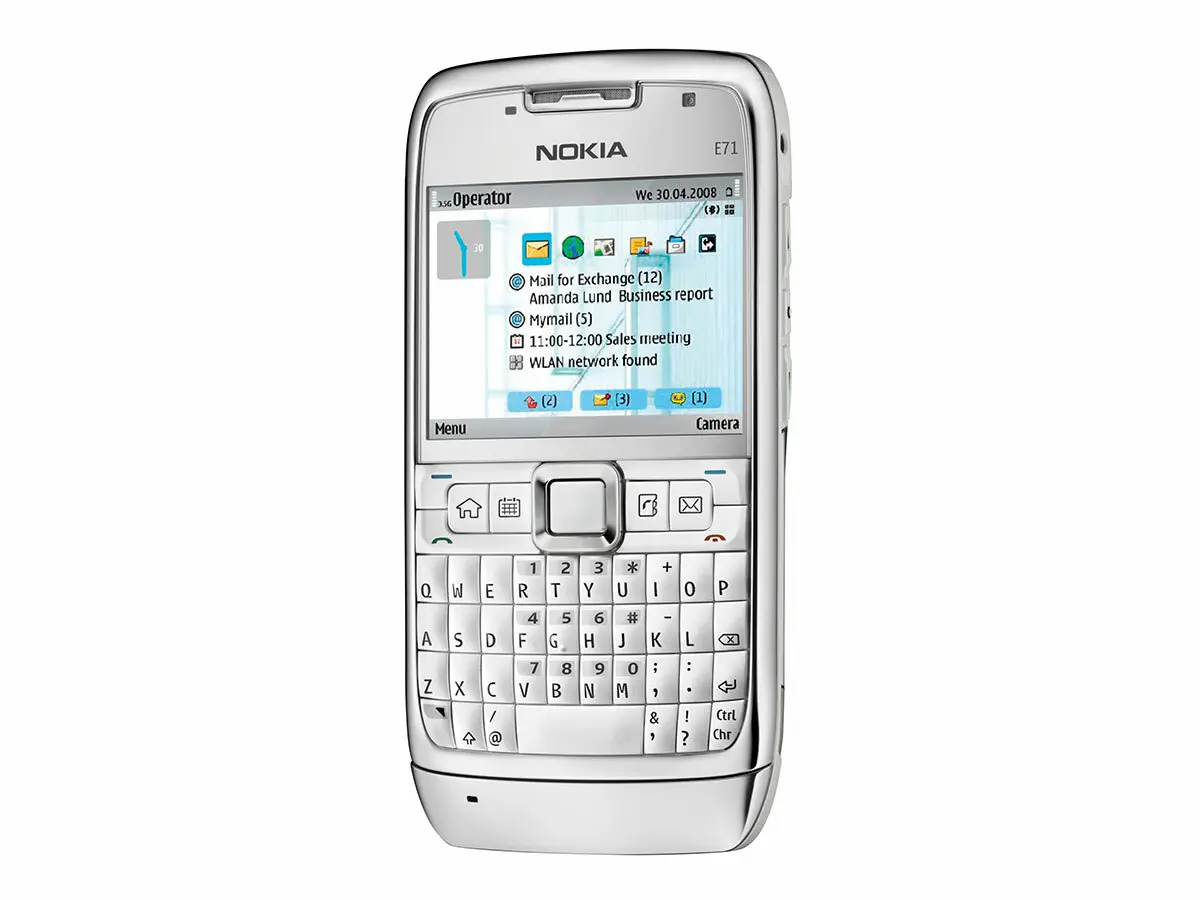 Thin, braced with metal, the E71 slid into a breast pocket and waited without complaint. Keys whispered instead of clacking. Messages flew from that lattice of letters, swift and sure. It looked grown-up without being stern, carried restraint like a virtue.
You could draft a plan on it, or a poem between stops.
6310i: The Battery Marathon
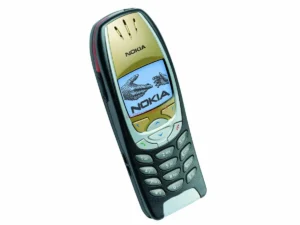 A week without a charger felt like a small miracle you could schedule. The 6310i held charge like a sealed jar of summer honey. Its radio found signal where others sulked. In rentals, on remote roads, under weather that threw tantrums, this device kept its bar steady.
Longevity as comfort. Endurance as neighborly.
Everything Phones Before Everything Phones
N95: The Double Slider That Did It All
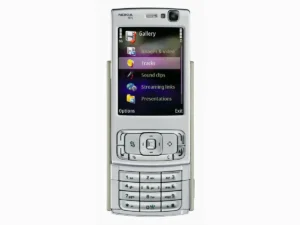 Upward for music, downward for camera; a handheld pocketknife of features. GPS chirped direction in robotic kindness. Photos snapped with a wink of real glass. Video, Wi‑Fi, serious web in a small red-blooded body. It felt like the future had decided to zip up its coat and come along.
We learned that a phone could be multitudes without stealing our full attention.
808 PureView: The Last Light of Symbian
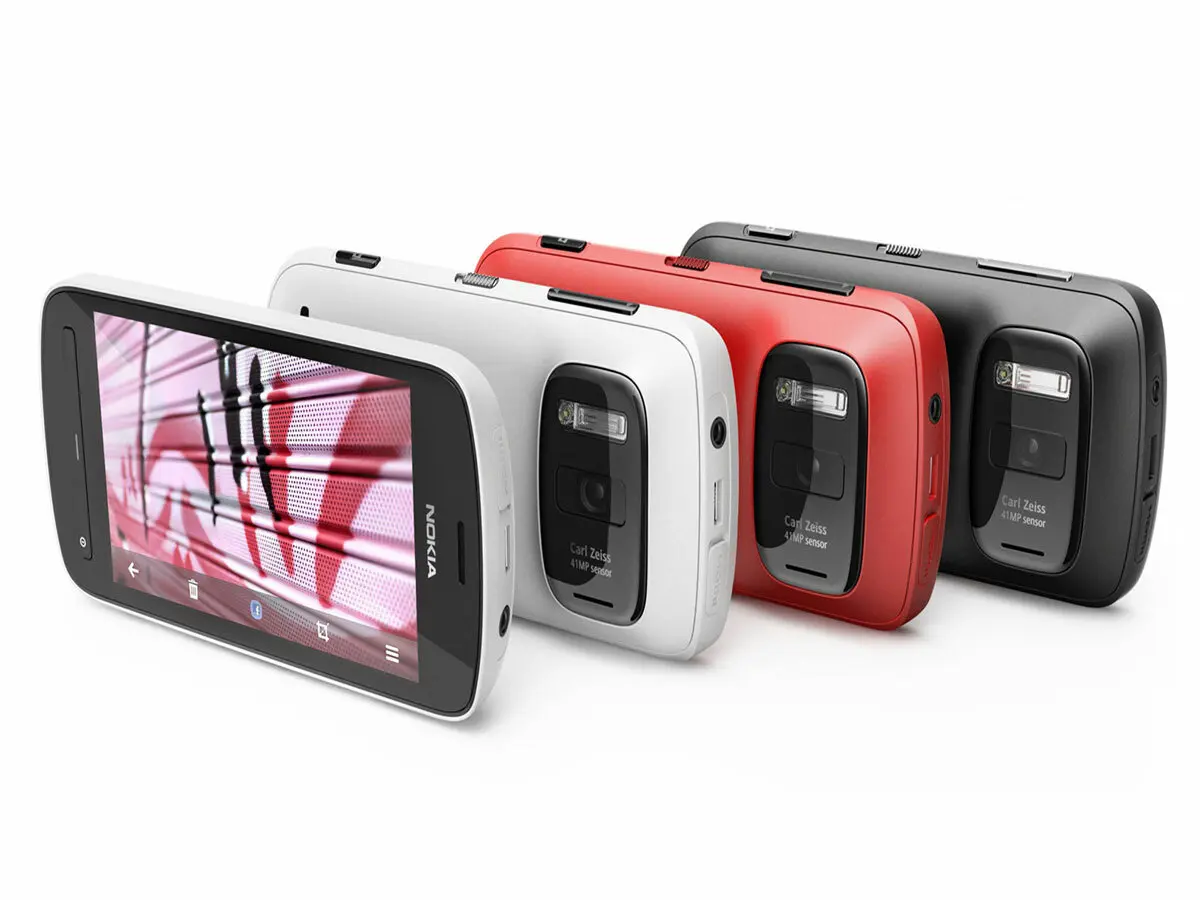 Forty-one million reasons to hold it steady; a sensor like a window to a bright noon. The 808 took more than pictures. It bottled texture: the grain in old wood, the freckles on a friend’s smile, streetlights fuzzed by mist. Symbian bowed with a lens raised high, generous to the very end.
A swan song with depth of field.
Lumia 1020: The Pixel Poet
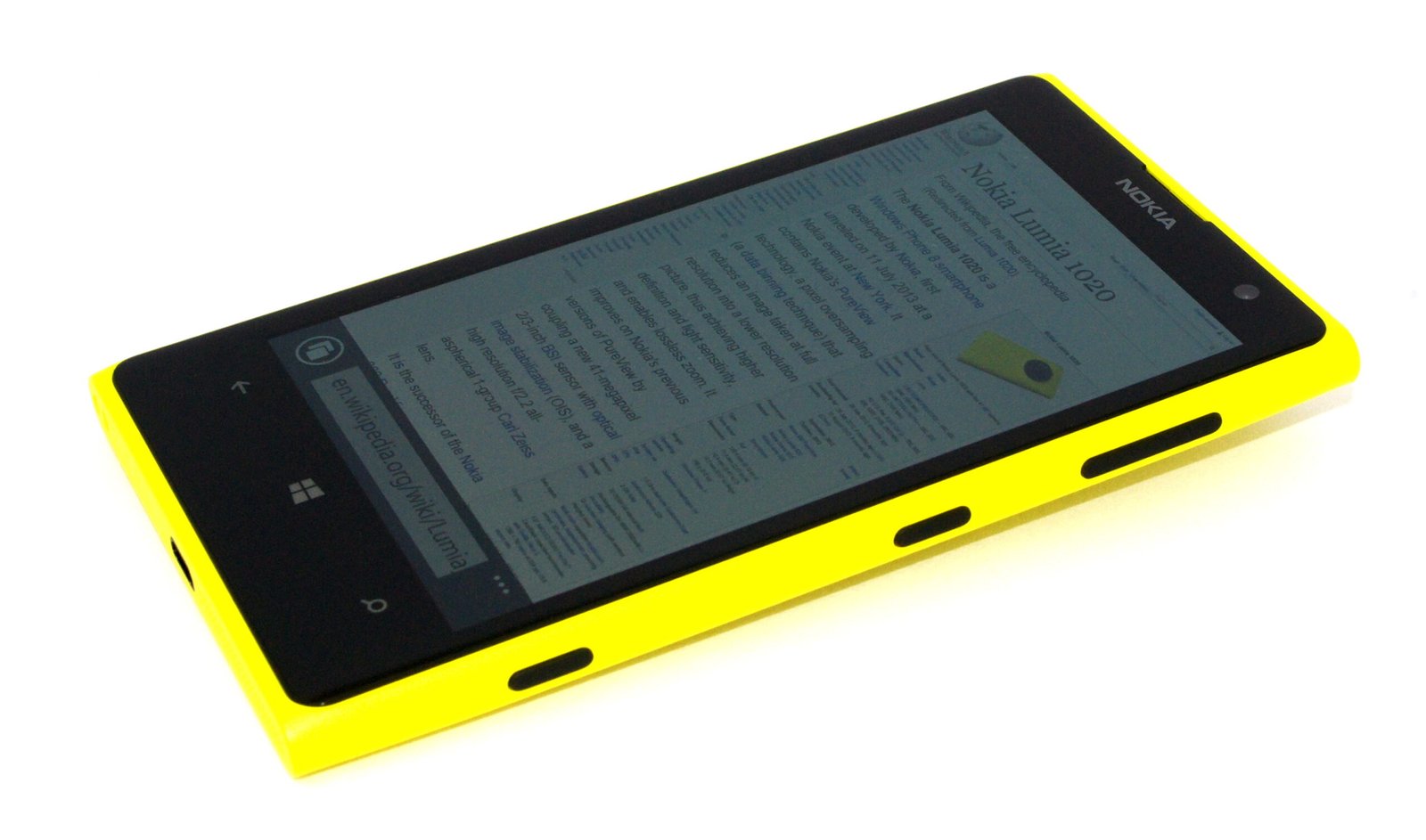 Yellow body, bold and cheery as a raincoat. Its round camera bulged like an eager eye. The shots were crisp, colors honest, low light handled with calm. The interface sang in tiles that slid like stage sets. A harmony of hardware and pattern, focused on seeing.
Photography became a reason to step outside after dusk.
Little Joys That Made Them Ours
Snake and Monophonic Nights
The serpent ate pixels and time, growing until it slammed against its own hunger. High scores scribbled on paper. Beeps that stitched evenings together, simple and proud. You could hear those tunes across a hall and know the owner by smile alone.
Low-tech magic.
Changeable Covers and Lanyard Charms
A friend’s face under clear plastic. A sticker from a seaside arcade. A charm that clicked against the case like a laugh. Identity didn’t stop at wallpaper; it lived on corners, edges, the curve by the earpiece. You could dress a phone like you’d dress yourself for the day.
A phone could carry your colors.
Batteries You Could Love Back to Life
Pop the back, pry the cell, swap in a spare warmed by your pocket. A ritual that taught care. Contacts cleaned with a soft cloth. The satisfying slap of a new battery finding home, then that bright start-up tune. Maintenance felt like stewardship, not a chore.
There was grace in repair.
What These Echoes Teach Today
Design for Hands Not Hype
Edges that don’t bite, keys that lift just enough, weight that says “present” without burden. The old devices answered to thumb and ear, not trend and headlines. They fit palms first, pockets second, billboards never. You could use them without looking; muscle memory led the way.
Design that listens to the body still wins.
Repair Resilience and Delight
Things break. The measure is how they return. Screws instead of glue, covers that pop, parts that can stand a second life—these choices turn owners into keepers. Delight was not only in new features but in longevity: a week on charge, a fall forgiven, a scratch that told a story.
We could build like that again. We should.
Small joys matter: a ringtone you can whistle, a light you can find in the dark, a message delivered without drama. These aren’t extravagances. They’re kindnesses baked into circuits and shells.
Coda: a Ringtone Fading into Morning
Somewhere, a drawer hums with retired phones. Their batteries are swollen moons; their screens still wake if begged. Hold one, and your thumb knows where to rest. Your ear knows the curve.
A simple tone rises and falls. The room brightens.
We do not miss everything. Only the quiet virtues: patience, sturdiness, play. Make it work, make it last, make it kind. Then let it ring once, twice—no frenzy, just a call carried through air like a note on a string.
Old friends linger in the dial tone. They always will.