A Clear View of Samsung Phones That Support eSIM
eSIM replaces the need for a removable SIM card with a programmable chip inside the phone. You scan a QR code from your carrier, and the device provisions a line over the air. This can simplify switching carriers, activating service while traveling, and juggling personal and work numbers on a single handset.
Samsung has supported eSIM across several Galaxy families for years, but availability has never been uniform. Hardware capabilities, firmware builds, and carrier policies all play a part. Two phones with the same name can behave differently if they were built for different regions or sold by different carriers.
So the right approach is simple. Confirm support for your exact model number and your carrier before you buy. That single step avoids surprises later.
The Samsung Lineup at a Glance
Galaxy A Series Midrange Choices with 5G Options
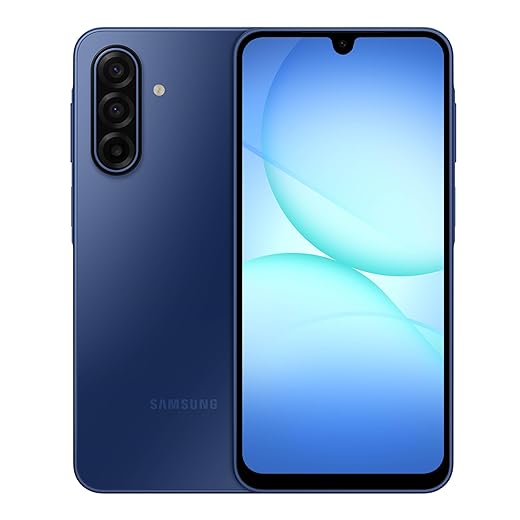
Samsung Galaxy A17 5G Smartphone, 128GB, Blue
Samsung’s A series brings eSIM to midrange budgets in selected models and regions. In recent generations, the Galaxy A54 5G and A55 5G include eSIM support in many markets, particularly in Europe and parts of Asia. The A34 5G and A35 5G also offer it on certain regional variants.
The story is more mixed on older models. The A53 5G shipped with eSIM capability on some SKUs, but not all. Earlier devices such as the A52s 5G show the same pattern: some regions got it, others did not. Entry models like the A14 5G typically lack eSIM altogether.
US variants are the biggest wild card. Even when the hardware supports eSIM, a carrier or retail channel might disable it through software. Buying an unlocked unit directly from Samsung often improves your chances, but it’s still worth checking the specific model code (for example, SM‑A546B vs. SM‑A546U) and verifying with your intended network.
A good rule of thumb: the newer the A series, the better the odds of eSIM support, with premium midrange models more likely than budget ones.
Galaxy S Series Flagships from S20 to S25
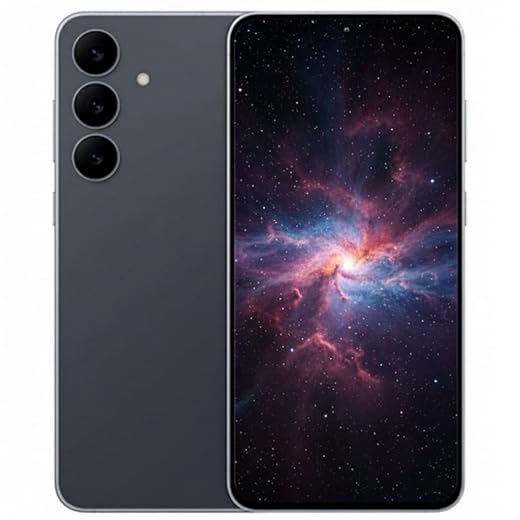
Samsung Galaxy S25 FE 256GB Unlocked
The S series moved early on eSIM. The Galaxy S20, S20+, and S20 Ultra included the feature in many countries, though support in the US was spotty at launch and depended on carrier approvals. The S20 FE later gained eSIM through firmware updates in selected regions.
The Galaxy S21 family broadened coverage. European and global variants generally support eSIM, while US carrier versions took longer to enable it, sometimes requiring later software updates. By the time the S22 lineup arrived, eSIM had matured across far more markets, and dual SIM configurations (nano‑SIM + eSIM) became common.
With the Galaxy S23 and S24 series, eSIM is now widely present across regions. Many users run one physical SIM and one eSIM concurrently, or keep several eSIM profiles stored for travel. As naming moves toward S25 and beyond, the expectation is continuity: Samsung’s flagship line treats eSIM as standard equipment in most markets, with only isolated exceptions tied to carrier policy.
Still, check your exact variant. Model code and carrier branding remain critical details.
Galaxy Z Fold Series for Power Users and Multitaskers
Foldable power users benefit a lot from eSIM. The big canvas is ideal for busy professionals who need multiple lines.
The Galaxy Z Fold2 introduced reliable eSIM support across many markets and carriers. Fold3, Fold4, and Fold5 continued the pattern, often pairing one nano‑SIM slot with eSIM, and storing multiple eSIM profiles for easy switching. Some regions also support two active lines via nano‑SIM + eSIM simultaneously, providing strong flexibility for work and travel.
Enterprise deployments appreciate this, too. IT teams can provision lines remotely without shipping physical cards. That cuts downtime when devices are replaced or reassigned.
Galaxy Z Flip Series for Compact, Clamshell Versatility

Samsung Galaxy Z Flip7 256GB Unlocked AI Smartphone, Jet Black w/Galaxy Buds 3 Pro AI True Wireless Bluetooth Earbuds, Silver
The Z Flip line brings eSIM to a smaller, pocket‑friendly form factor. Starting with the Galaxy Z Flip3, eSIM support became common across major markets. The Z Flip4 and Z Flip5 refined the experience, offering quick profile switching and broad carrier compatibility where allowed.
Some variants support dual standby with one physical SIM and one eSIM. Others are limited to a single active line at a time, even if multiple profiles are stored. Again, regional firmware and carrier policies make the final call.
It folds. It fits small pockets. It still handles more than one line. Simple and handy.
Rugged and Specialty Models Including XCover
Rugged phones have practical reasons to adopt eSIM. Field work often spans multiple regions and carrier footprints.
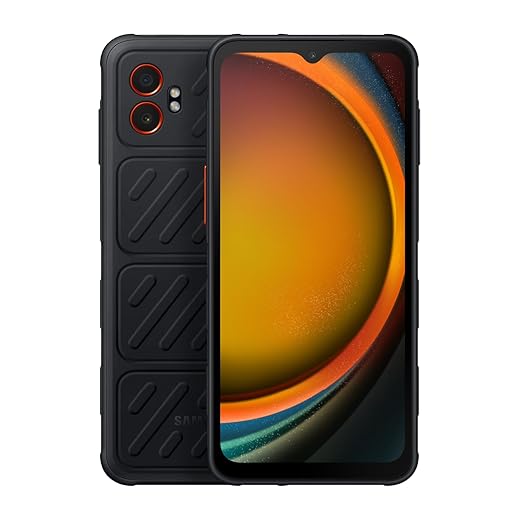


The Galaxy XCover Pro introduced eSIM on selected SKUs in Europe and other markets. The Galaxy XCover6 Pro expanded availability and is a frequent pick for enterprise fleets that need dual SIM flexibility. The 2024 Galaxy XCover7 continues that path, with broad eSIM support outside markets where regulations or carriers restrict it.
These models may arrive as Enterprise Edition units with tailored firmware. That can alter eSIM behavior. Always compare the exact SKU you plan to deploy.
Legacy Note Models That Still Deliver eSIM Capability
Though the Note line has merged into the S Ultra experience, some Note devices still hold up well. The Galaxy Note20 and Note20 Ultra support eSIM on many global variants, particularly in Europe and parts of Asia. US carriers were more conservative, so support varies by model and firmware.
Older Note generations are inconsistent. Some regional Note10/Note10+ variants implemented eSIM, while others relied purely on physical SIM. If you are buying a used Note, verify eSIM on the spot by checking the SIM manager settings or the device’s specification page for your region.
Two minutes of verification can spare hours of frustration.
Model Variations and Regional Nuances That Affect eSIM Support
Three factors decide eSIM availability on a Samsung phone: hardware variant (model code), firmware build (regional CSC), and carrier policy. All three must align.
– Hardware variant: Samsung assigns model codes per region and radio configuration. Two phones labeled “Galaxy A54 5G” may carry different eUICC capabilities depending on whether it is an international, US unlocked, or carrier‑locked unit.
– Firmware build: The regional CSC (Country/Carrier Specific Code) can enable or disable features. A device that supports eSIM in Germany might hide the toggle when flashed with a different CSC tied to a restrictive carrier.
– Carrier policy: Carriers can block eSIM activation, limit it to postpaid plans, or require store‑level provisioning. Some enable eSIM only after a certain software version. Others restrict 5G on eSIM lines while allowing LTE, though this is less common on recent devices.
There are also regulatory limits. Mainland China models often omit eSIM entirely for phones, even when the same series elsewhere includes it. Hong Kong and Macau units may differ from mainland variants despite physical proximity.
Travelers should note band support for the target country, too. Even if eSIM works, mismatched 5G or LTE bands can affect coverage and speed.
Practical Limitations and Things to Know Before You Switch
– Number of profiles: Most recent Samsung phones can store several eSIM profiles (often 5 to 8). Only one or two can be active simultaneously, depending on model and software.
– Transfers and migrations: Moving an eSIM line from one phone to another often requires reissuing a QR code or using an in‑app transfer tool supplied by the carrier. Some carriers still treat eSIM moves like SIM swaps for security. Plan ahead before you reset or sell your device.
– eSIM vs. physical SIM: Many Galaxy models run one nano‑SIM and one eSIM side by side. Others allow two eSIM profiles active at once in certain regions, thanks to Android features such as Multiple Enabled Profiles (MEP). Support for dual active eSIM varies, so check release notes for your device and carrier.
– Lock status: If your phone is carrier‑locked, the eSIM may only accept lines from that carrier. Unlocked models usually allow any compatible network, subject to band support and local rules.
– Roaming and travel: eSIM can simplify short‑term data plans abroad. You can keep your home number on the physical SIM and add a local eSIM for data. Some travel eSIM providers sell plans via apps, avoiding QR codes entirely. Test before you rely on it for work.
– Emergency services and Wi‑Fi calling: Not all carriers support Wi‑Fi calling or advanced emergency features on eSIM in every country. If those features matter for you, confirm that they work on your plan and device combination.
– Business deployments: For fleets, ask your carrier about bulk eSIM activation, SM‑DP+ addresses, and remote provisioning workflows. Many carriers offer portals that assign lines using the device’s EID, removing the need for QR codes.
Small step that saves time: verify eSIM functionality during your return window.
The Road Ahead for eSIM Across Samsung’s Galaxy Family
Android’s platform support for eSIM has matured, and carrier back‑ends have improved. As a result, recent Galaxy phones handle eSIM activation faster and with fewer quirks than early S20‑era builds. Profile downloads are quicker, switching lines is smoother, and dual SIM behavior is more predictable.
Multiple Enabled Profiles is a key development. It allows two eSIM profiles to be active on a single eUICC. Some late‑2023 and 2024 Galaxy models support this in selected regions, often with carrier sign‑off. Where enabled, users can run two eSIM lines or combine a physical SIM with an active eSIM profile without manual toggling.
Looking ahead, broad trends favor eSIM continuing across Galaxy S, Z, and upper‑midrange A models. Rugged XCover devices should keep pace due to enterprise demand. Budget models will likely adopt eSIM more slowly, tracking carrier requirements in each region.
One theme remains constant. Model code, firmware, and carrier policy decide what you get on the phone in your hand. If you plan to rely on eSIM for travel or a second line, confirm those three details before purchase.
A short checklist helps:
– Identify the exact model code and storage/RAM variant.
– Confirm the regional CSC and whether it’s unlocked.
– Ask your carrier about eSIM support for that model and plan.
– Check for dual SIM behavior: nano‑SIM + eSIM, dual eSIM, or single active line.
– Verify features you care about, such as 5G on eSIM, Wi‑Fi calling, and VoLTE.
Then enjoy the benefits. No tiny tray. No plastic card. Just a quick scan and you’re connected.
That is the promise of eSIM on Samsung Galaxy phones: flexible lines, easier provisioning, and fewer physical parts to lose or break. With careful model selection and a minute spent on verification, it works exactly the way you want.