Picking the Right Nokia compatible with eSIM
Currently, we know a few of Nokia models support eSIM.
This article pits the Nokia G60 5G, X30 5G, and XR21 head-to-head to help you pick the best phone for your needs. It’s not an exhaustive spec sheet. Instead, it highlights practical differences that matter in daily use.
We focus on three buyer types: budget-conscious users, eco/premium seekers, and rugged/workphone users. Evaluation covers design, display, performance, battery, cameras, software, durability, and overall value. Read on to find which Nokia suits your priorities and lifestyle.
Practical tips and a final recommendation follow to simplify your buying decision. Quickly and clearly.
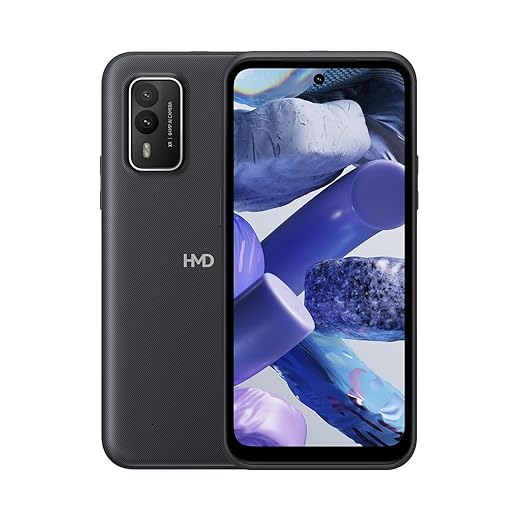
At-a-Glance: How These Nokias Are Positioned
Where each phone fits in Nokia’s lineup
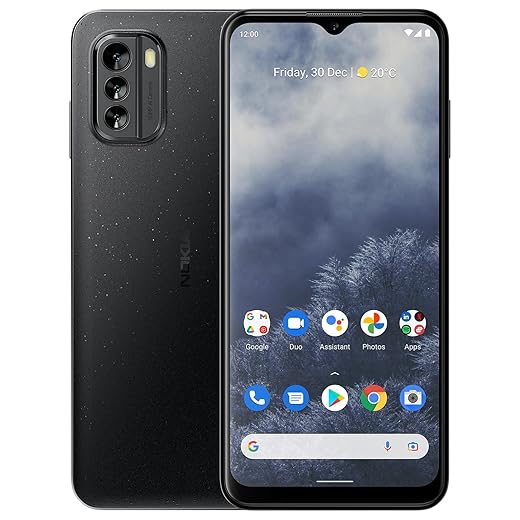
Think of the three phones as answers to three common buyer questions. The Nokia G60 5G is the practical everyday choice — solid performance, long battery life, and 5G at a midrange price. The Nokia X30 5G targets buyers who want nicer materials, better cameras, and sustainability credentials (recycled aluminum and cloth-backed packaging). The Nokia XR21 is for people who need a phone that keeps working after drops, spills, and long outdoor days — a rugged, work-ready device built for reliability over flash.
Real-world snapshot: if you hand a G60 to a teen for school and social apps, it’ll last a full day and won’t feel slow. Give an X30 to someone who cares about look and eco-credentials and they’ll notice the premium feel and cleaner photos. Put an XR21 in a construction vest and it’ll survive the shift.
Quick-buy checklist — the three things to remember
Fast decision tips you can use now
Design and Build: Materials, Ergonomics and Durability
Materials and finishes
Nokia plays different material cards with each model. The X30 leans into premium feel — recycled aluminum, satin‑like finishes and a clean camera island that reads upscale in hand. The G60 keeps costs sensible with a sturdy polycarbonate shell that resists fingerprints and everyday scuffs. The XR21 wears its purpose: thicker rubberized edges, textured back panels and reinforced corners for a no‑nonsense utilitarian look.
Hand‑feel and ergonomics
In daily use the X30 feels the most refined — slimmer edges and a lighter hand presence that make one‑handed reach easier for many users. The G60 sits in the middle: comfortable for two‑handed browsing, pocketable but a touch bulkier if you keep tight jeans. The XR21 is unmistakably chunkier; its grippy surfaces help while working on ladders or holding with gloves, but it’s less comfortable for short pockets or long shirt sleeves.
Durability and everyday resilience
The XR21 is engineered for real abuse — reinforced frame, raised camera bezels, and explicit rugged certification claims aimed at drops, dust and water exposure. X30 focuses on scratch and splash resistance while prioritizing materials that age well. G60 delivers everyday toughness: survives knocks and incidental spills better than fragile glass‑back phones.
Practical tip: rugged phones tolerate drops but can still suffer screen or port damage — use an approved screen protector and keep ports clean after dusty work.
Repairability and long‑term wear
Recycled aluminum and sealed designs can complicate DIY fixes; XR21’s modular reinforcements may make component swaps easier for service centers, while G60’s plastic housing is often simpler and cheaper to repair. Check warranty and authorized‑repair options before buying to avoid surprises as your phone accumulates years of use.
Display and Audio: Clarity, Smoothness and Sound Quality
Panel types and perceived sharpness
Nokia’s trio takes different display directions. The X30 leans into an OLED-type panel with deep blacks and punchy color — images feel more “cinematic” and sharp at normal viewing distances. The G60 uses a well-tuned LCD that keeps text crisp and colors natural; it won’t match OLED contrast but often looks very sharp for web and e‑books. The XR21 prioritizes durability and outdoor visibility, so its panel favors high legibility over silky contrast.
Brightness, outdoor legibility and color
If you often use your phone outdoors, favor the XR21 (or the G60 over X30) unless you mostly consume media indoors.
Smoothness and gaming
Adaptive or higher refresh rates improve scrolling and low-latency gaming. The G60 and XR21 typically emphasize smooth motion for UI interactions, while the X30’s OLED adds perceived fluidity through better motion clarity and response. Gamers will notice fewer motion artifacts on higher-refresh panels; enable game or performance mode when needed.
Speakers, loudness and headphone options
Speaker setups vary from mono to tuned stereo-like output. Expect:
Check the spec sheet for a 3.5 mm jack—some Nokia G-series models keep it, while X-series phones may omit it. If you rely on wired headphones, carry a USB-C adapter if needed.
Practical tips for media, calls and gaming
Performance and Battery: Real-World Speed and Endurance
Chipsets, RAM and everyday speed
Think of these Nokias as practical workhorses rather than flagship speed demons. The X30 leans toward the brisker end of the mid‑range spectrum, so it feels snappier in app launches, light photo edits and casual gaming. The G60 sits squarely in the mid‑range class with solid multitasking for social apps, browsing and streaming. The XR21 favors efficiency and sustained responsiveness over peak scores — you’ll notice fewer sudden slowdowns in long sessions.
RAM and storage matter. Aim for 8GB if you keep many apps open; 6GB is fine for average users. Choose 128GB or more if you shoot lots of photos or keep large offline media — faster UFS storage (found on the X30 in some regions) helps app installs and launch times.
Battery capacity, charging and real-world endurance
In daily mixed use (calls, messaging, social, some navigation and streaming):
Charging is practical rather than race‑oriented. All three support reasonably quick wired charging, but don’t expect ultra‑fast, flagship‑level speeds; a typical top‑up to 50–80% in the first hour is common. Software battery optimizations (adaptive brightness, background app limits) extend real‑world life and help battery health over months.
Thermals, sustained loads and storage expandability
Under sustained gaming or long uploads, expect some thermal throttling on the G60 and X30 — performance modes will boost frame rates but shorten battery life and raise surface temps. The XR21’s rugged build helps dissipate heat and often trades a bit of raw speed for cooler, steadier operation.
Practical tips
Next up: how these hardware and endurance differences translate into camera and software choices.
Cameras and Imaging: Versatility, Image Quality and Video
Primary cameras: daylight and low light
In bright daylight the X30 usually delivers the most pleasing, contrast-rich shots with punchy colours and crisp detail — good for quick street or travel snaps. The G60 produces solid, natural daytime images with slightly softer processing that’s forgiving for skin tones. The XR21 trades a little fine detail for consistently exposed frames; it’s the workhorse you can rely on when conditions change.
In low light the differences become clearer: the X30 leans on stronger computational sharpening and multi-frame stacking for usable night shots, the G60 tends to show more noise but keeps a natural look, and the XR21 focuses on consistency—less dramatic detail, but fewer blown highlights. If you want the most usable handheld night photos without frantic fiddling, the X30 usually gets there first.
Supporting lenses: ultrawide, macro and depth
Selfies and video: stabilization, frame rates and clarity
Selfie cameras capture reliable social-ready images; X30 tends to push brightness and sharpening, G60 is softer but flattering, XR21 is steady and predictable. For video, all three support standard 1080p/30 or 60fps; X30 often has the best stabilization feel thanks to aggressive EIS/processing, while the XR21 trades smoothness for steadier long takes. Look for 4K only on the X30 in some regions — otherwise 1080p is the practical daily mode.
Software features and quick tips
Best everyday pick by scenario: snapshots — X30; landscapes — X30/G60 depending on colour preference; low‑light — X30 for reach, XR21 for consistency; portraits — G60 for natural tones.
Software, Support, Value and Which One to Buy
Software experience and updates
All three Nokias stick close to stock Android, which keeps the interface clean and predictable and reduces background bloat. Expect light, Nokia-branded utility apps rather than heavy skins.
After‑sale support, warranty and sustainability
HMD/Nokia typically provides a standard 12‑month warranty; extended coverage is available through many retailers or carrier plans. Nokia has also pushed recycling and sustainability messaging (recycled aluminum and packaging) on higher‑tier models.
Bang‑for‑buck and who each suits
Practical buying scenarios
Up next: Final Takeaways — Which Nokia Wins for You.
Final Takeaways: Which Nokia Wins for You
G60 — standout: great value display and battery; X30 — standout: premium materials and eco credentials; XR21 — standout: rugged build and long-life durability. Each nails a different priority: value, sustainability/premium feel, or toughness.
Recommendation: Value-focused buyer: choose the G60. Premium/eco-minded buyer: choose the X30. Rugged/active buyer: choose the XR21. Weigh camera, performance, and software trade-offs that matter to you, and test devices in person where possible before buying. A hands‑on check will reveal ergonomics, screen and real camera results — prioritize what you use daily and buy with confidence, and return policies matter too. Happy shopping.